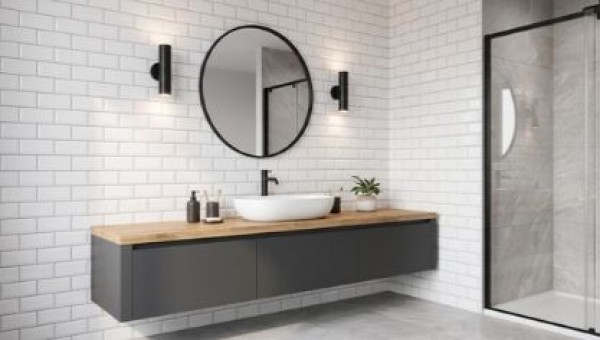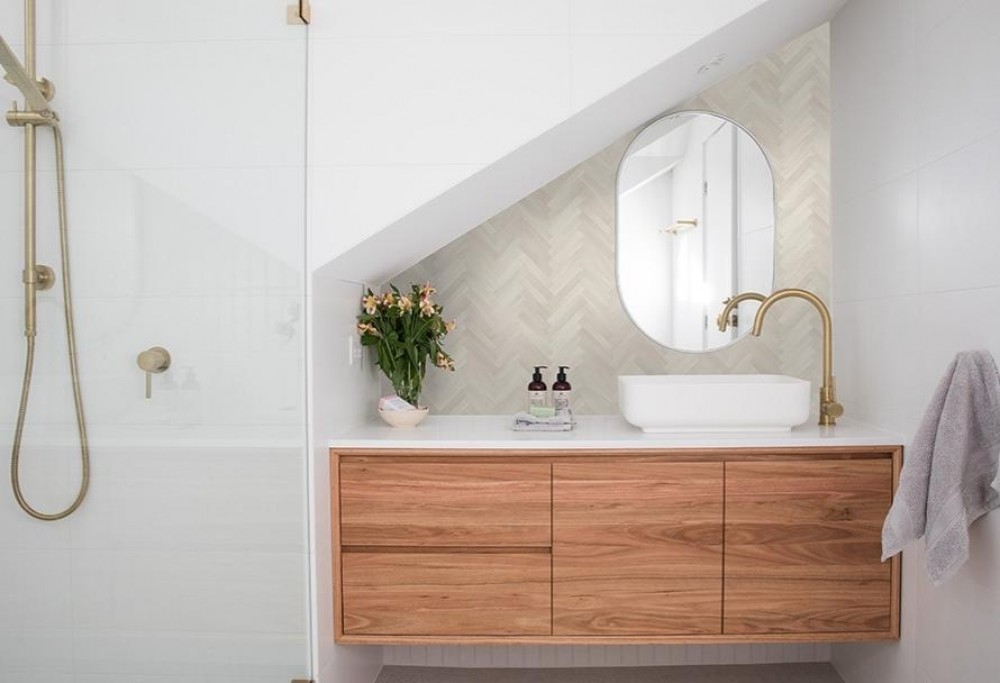
Standard tiles dominated our homes for decades, but giving up traditional ceramic tiles is now one of the strongest and most inspiring trends in contemporary interior design. Today, the bathroom is no longer just a sterile utility space - it becomes a home lounge where style, harmony, and coziness matter.
Wondering how to protect bathroom walls instead of traditional tiles to achieve a stunning visual effect without the risk of damp walls? The market is ruled by innovative alternative finishing materials that effectively protect against splashes, mold, and mildew. Discover 5 proven ways to create a durable, personalized interior without using classic tilework.
Alternative materials - microcement, decorative plasters, and architectural concrete
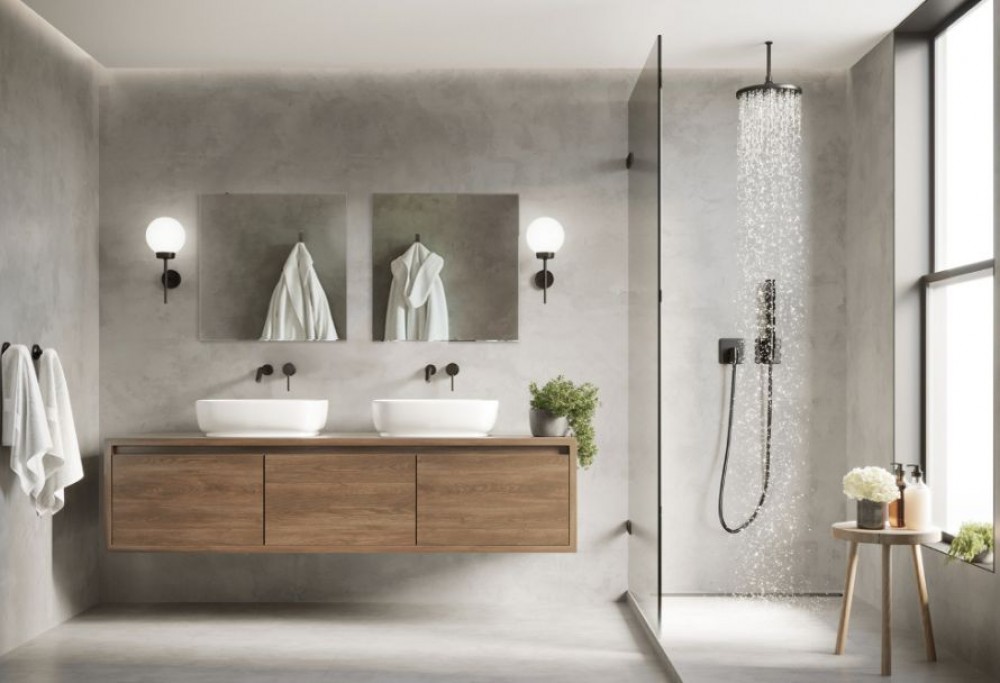
If you dream of a loft, Japandi, or minimalist interior, seamless coatings will be a bullseye. Architectural concrete and microcement give the space a bold, industrial character, bringing calm and visual continuity into your bathroom.
Properly applied microcement and sealed architectural concrete are moisture resistant and easy to maintain.
Decorative plasters and textured paints are an interesting alternative, perfectly imitating, for example, the look of raw concrete, and thanks to modern technologies they feature increased resistance to washing.
Such materials work best in the sink area, around the toilet, and - after applying a special varnish - even directly inside a walk-in shower.
Specialized ceramic, latex, and epoxy paints – a quick, budget-friendly makeover
Painting is undoubtedly the fastest and most economical way to refresh bathroom walls. By skipping tile demolition and hiring a tiling crew, you save time and money while gaining unlimited design possibilities.
Ceramic paints: They create a hard, dense coating with a matte or satin finish. They boast the highest class of wet-scrub resistance, so everyday stain removal, e.g., from cosmetics, won’t damage the color.
Latex paints: These vapor-permeable, elastic products handle temperature fluctuations and rising steam perfectly. Latex paints are extremely easy to apply, quick-drying, and available in an exceptionally wide color palette.
Epoxy paints: They form an almost armor-like coating, completely non-absorbent and chemically resistant, used in the most demanding areas.
A coating made with a dedicated paint is a great solution that gives the interior character, allowing you to easily change the color scheme every few seasons. Remember, however, that even the best paint won’t perform without proper wall preparation.
Glass panels and natural stone - modern elegance without nooks and crannies
The absence of grout lines is a dream for anyone who prioritizes easy cleaning. If you want a surface smooth as a sheet of ice or a noble stone pattern, it’s worth choosing large-format wall claddings.
Custom-made glass panels from tempered glass are the epitome of modernity. Tempered glass is safe, resistant to mechanical damage and high temperatures, and wonderfully easy to maintain - just wipe it with glass cleaner or a squeegee.
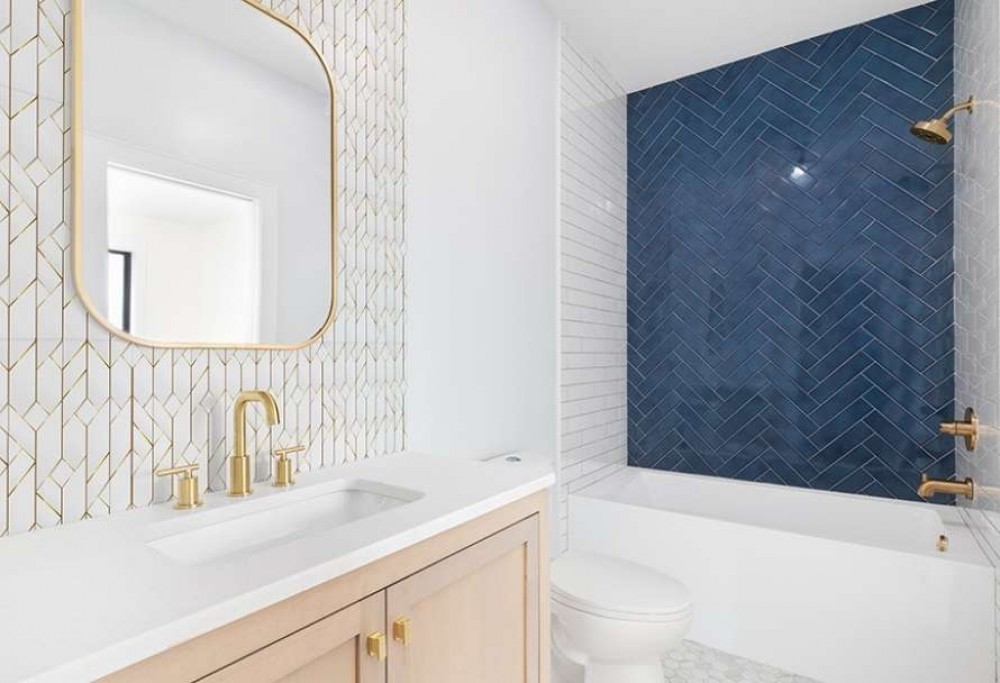
Luxurious natural stone - for lovers of uncompromising durability, decorative stone (including granite, slate, or quartzite) is an excellent option. Keep in mind that natural stone, while highly resistant to moisture, requires regular sealing with hydrophobic products so it doesn’t absorb intensely colored cosmetics.
Waterproof wallpaper and vinyl panels - a modern solution with express installation
Can you install wallpaper in a splash zone? Absolutely yes! Thanks to technological solutions, we’re moving away from the belief that paper has no place in moisture-prone rooms.
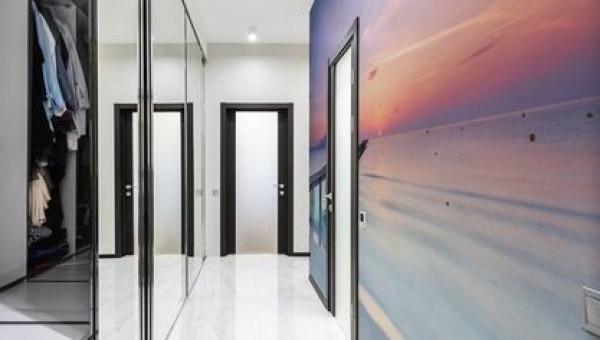
Dedicated waterproof wallpapers are coated with a tight polyurethane laminate that creates a barrier 100% impervious to a stream of water. They give you the chance to bring large-format art, botanical motifs, and artistic patterns into the bathing zone.
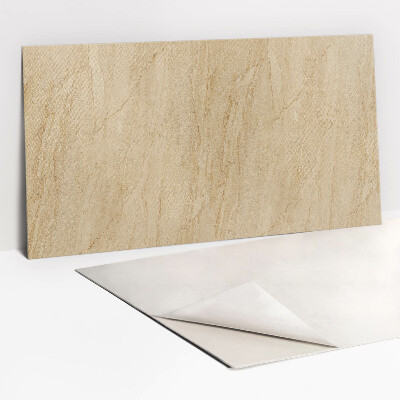
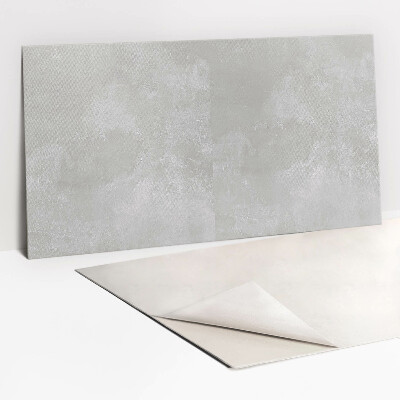
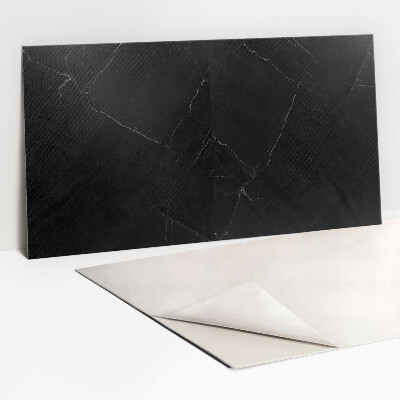
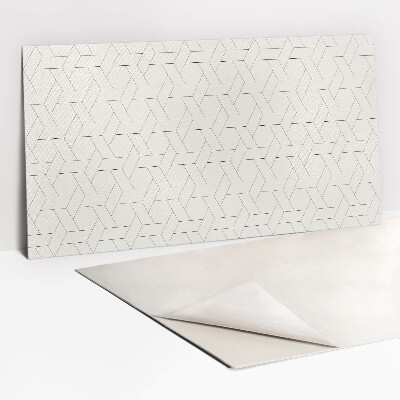
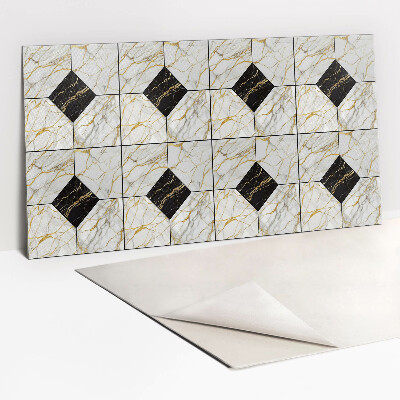
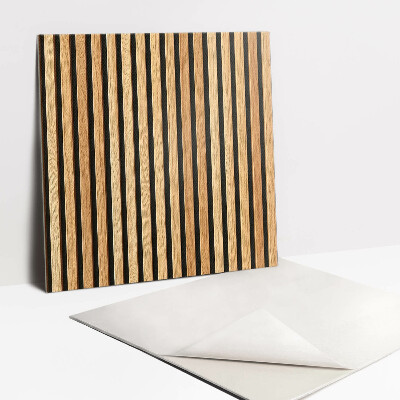
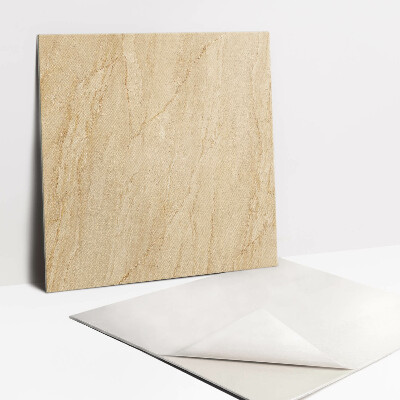
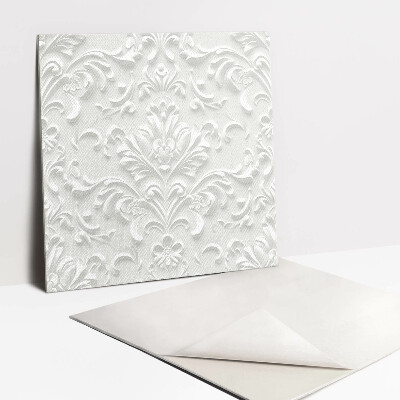
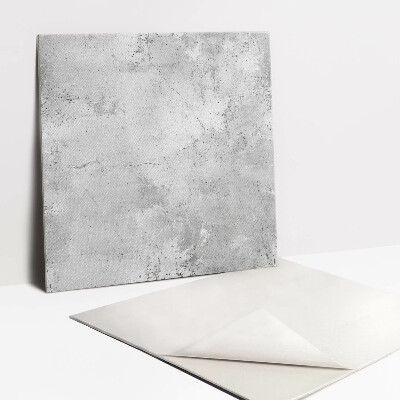
Modern vinyl panels and wall composite boards are installed directly onto the existing substrate using a durable polymer adhesive ( or choose self-adhesive options). Wall panels can be up to 120 cm wide, which reduces the number of joints to an absolute minimum. They perfectly imitate wood, concrete, or rare minerals, offering a lighter and cheaper alternative to heavy sintered slabs.
Alternative finishing materials - exotic wood and modified species
Nothing builds a cozy atmosphere like natural wood. Although many fear its presence in the bathroom, properly selected and protected species maintain impeccable dimensional stability for many years.
The key is choosing a material with a low shrinkage coefficient and high density:
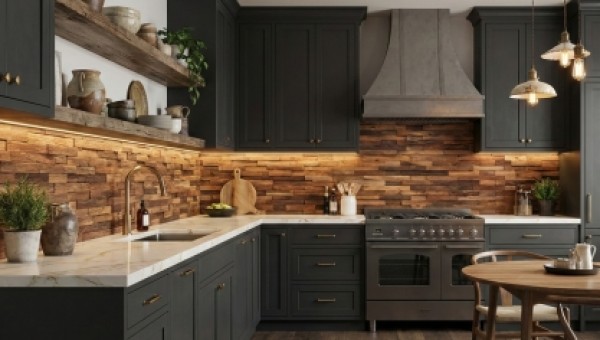
Exotic species - trees growing in a tropical climate contain natural oils and tannins that protect them from rot. Exotic wood, such as teak, iroko, merbau, or doussie, is naturally moisture-resistant.
Domestic wood - ash or pine subjected to thermal treatment gains hygroscopic parameters similar to exotic wood. Among native species without thermal modification, hard oak and larch will work best.
Wood in sanitary zones requires careful maintenance. You can choose marine varnishes, which create a flexible, impermeable coating that blocks water, or deeply penetrating hard oils. Oiling preserves the matte, natural look of the grain, but the process needs to be repeated every several months.
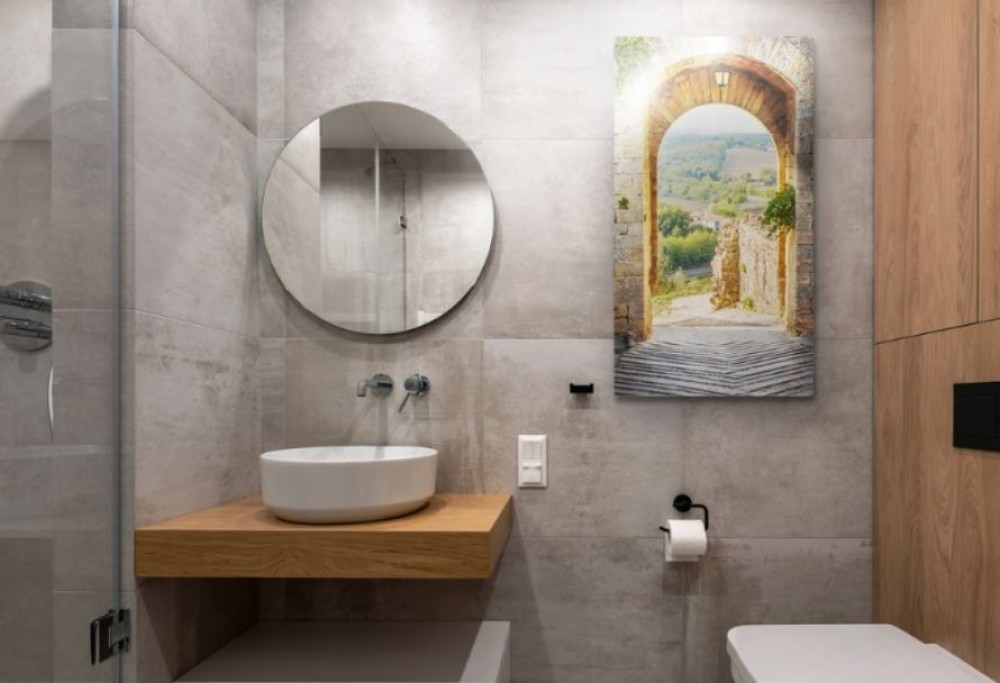
Proper substrate preparation
When choosing alternative solutions instead of traditional tilework, don’t forget what lies beneath. Regardless of whether walls feature glass, paint, or wallpaper, proper substrate preparation is one of the key aspects of the entire remodel.
In wet zones, walls must be secured with an elastic sealing compound along with embedded sealing tapes in the corners.
Glass sheets, microcement, or large-format wallpapers mercilessly highlight every unevenness. Walls must be even, dry, dust-free, and primed.
Avoid choosing a material solely based on the manufacturer’s declared water resistance of the top layer. Always analyze the method of sealing edges, joints with expansion gaps, and chemical resistance to cleaning agents.
A modern interior without tiles is within reach
Giving up standard tiles opens the door to unrestrained creativity. By combining textures, you’ll create a space with a unique design that will impress guests and guarantee you hassle-free relaxation. Modern materials successfully protect walls from moisture, and the lack of troublesome joints means that daily cleaning will take only a few moments. Get inspired and transform your home on your own terms!