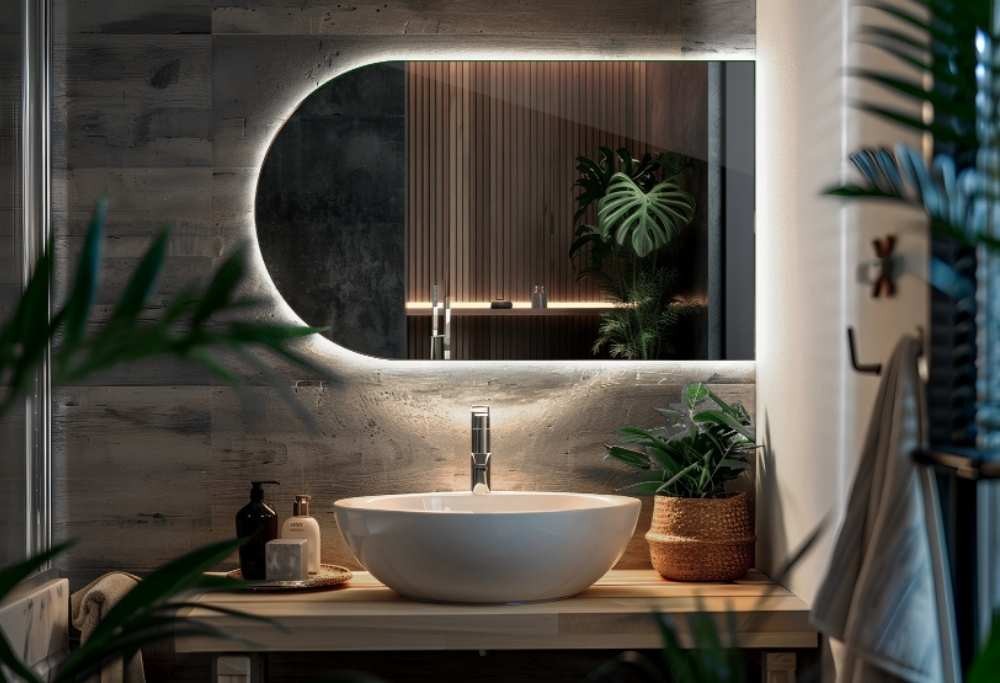
The modern bathroom has long since stopped serving solely as a practical room intended for a quick morning wash. More and more often, we look for a refuge in our homes where we can cut off excess stimuli, quiet the mind, and recharge after an intense day. When considering how to design a spa-style bathroom, it’s worth viewing this space holistically—as a private sanctuary of the senses, where not only design matters, but above all the feelings accompanying every moment spent inside. Creating a unique wellness zone in your own home is within reach, whether you have a spacious bathing room or a cozy interior in an apartment block. The key is a well-thought-out concept in which the “less is more” principle goes hand in hand with the highest quality details.
Home spa - a color palette straight from nature
The foundation of any successful interior inspired by luxury resorts is the right color scheme. Reducing the number of visual stimuli effectively promotes calm, which is why in a spa bathroom we absolutely avoid loud, bright shades and sharp contrasts. Intense colors are perceived as too aggressive in such spaces—they stimulate the nervous system instead of allowing it to rest.
Instead, soothing earth tones reign in bathroom design, building a sense of safety and closeness to nature. Excellent bases include muted whites, off-ivory shades, and subtle creams that bring the desired harmony to the room. They pair beautifully with warm beiges, neutral grays, warm browns, as well as delicate, subdued pastels – such as sage green or soft blues, which naturally encourage relaxation.
What’s more, light colors play an invaluable role in a small bathroom, as they visually enlarge the space and add lightness. To avoid a sterile feel, it’s worth playing with textures and opting for matte or satin surface finishes that softly absorb light. In a compact footprint, large-format ceramic tiles also work perfectly—the minimal number of grout lines reduces visual clutter and makes the interior seem much more spacious and orderly.
Noble materials - wood, stone, and textures you want to touch
To create an authentic spa atmosphere, color alone isn’t enough—the physical contact with materials matters. In professional interior design, natural materials are responsible for the cozy, organic vibe that helps the body relax instinctively.
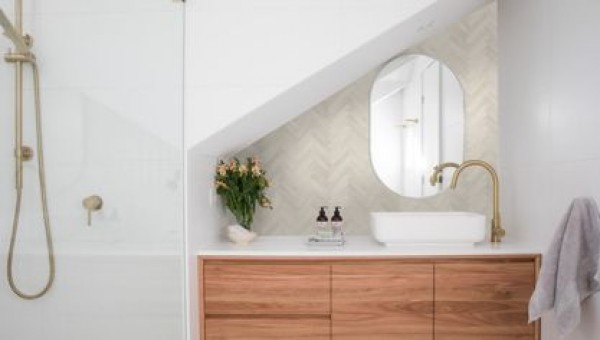
The leading role here is played by natural wood, preferably exotic (e.g., teak, merbau, or cedar), which, thanks to its high content of natural oils, handles elevated humidity and temperature changes very well. Warm wood breaks the chill of ceramics and gives even a raw space a homey character. If you’re concerned about maintaining real boards, a great alternative is modern wood-effect tiles. They faithfully reproduce the grain and texture of oak or walnut while being completely resistant to moisture, scratches, and mechanical damage.
An equally important pillar among finishing materials is stone. Noble marble brings timeless elegance and understated luxury to a spa-style bathroom, while sandstone, granite, or porous travertine build a soothing, almost Mediterranean mood. An interesting idea—especially if you dream of an industrial bathroom with a touch of zen or a loft-style space—is architectural concrete and large-format tiles that imitate raw concrete. Pairing the cool, minimalist gray of concrete with the warmth of wooden slats on the main wall is an excellent way to create a modern yet remarkably cozy composition. Remember that natural elements look best alongside simple, geometric forms.
Lighting in bathroom design - a play of shadows and warm reflections
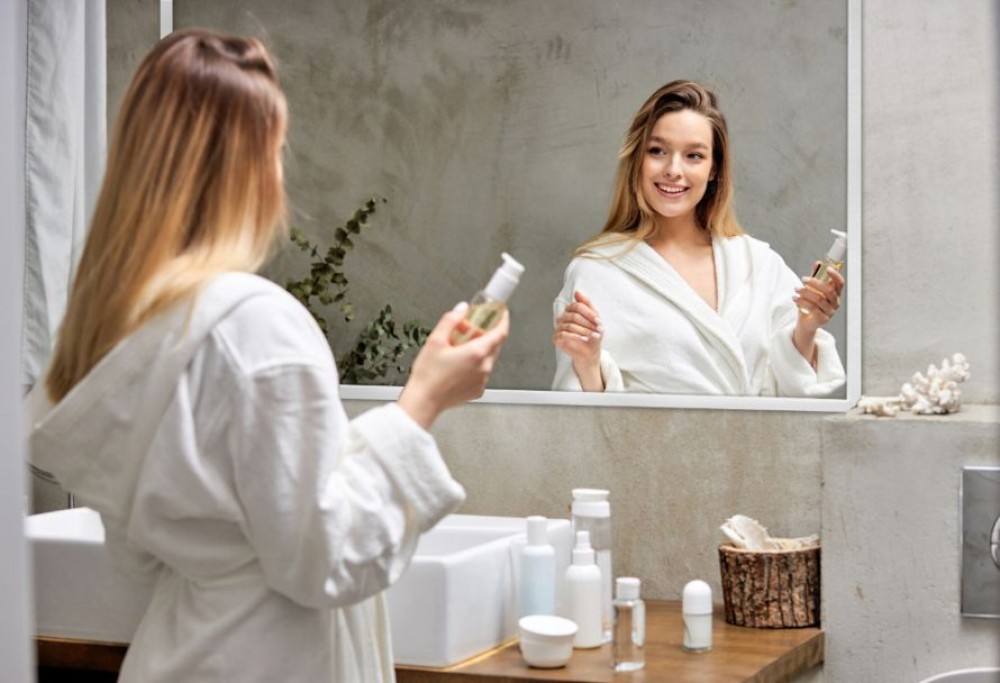
Even the most beautifully designed interior will lose its charm if it’s flooded with flat, cold light from a single bulb. When building a relaxing atmosphere, the right lighting plays a crucial role. In a home spa, we forgo harsh, clinical brightness in favor of lighting scenarios that can be smoothly adapted to the time of day and your mood.
Layered, ambient lighting allows full control over light intensity:
General lighting: Replace traditional, sprawling chandeliers with minimalist solutions. Ceiling lights—such as discreet surface-mounted fixtures, recessed downlights, or milky flush mounts—should be unobtrusive and provide soft, diffused light.
Zone and decorative lighting: Real magic is created by hidden LED strips installed in wall niches, under floating cabinets, behind the mirror, or along the ceiling line. Emitting warm light, they create a cozy dusk and an intimate atmosphere that effectively soothes you before sleep.
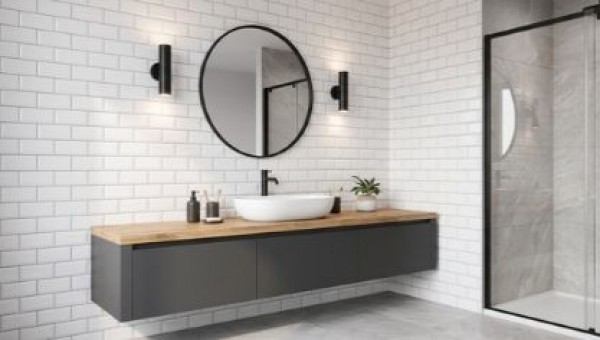
Task lighting: Around the mirror, you need precise facial illumination that doesn’t dazzle—sconces made of milky glass that give an even glow work perfectly here.
Live flame: No bulb can replace the natural glow of a flame. Scented candles and decorative lanterns placed on the tub’s edge or on the floor bring warm reflections into the bathroom and immediately signal to your body that it’s time to unwind.
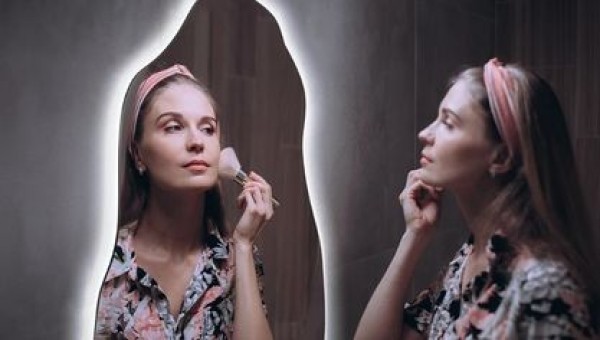
Don’t forget the role of mirrors. Large mirrors without heavy frames not only amplify the play of light and reflections but also visually enlarge the space, adding depth and breathing room.
The bathing zone as the heart of relaxation - freestanding tub or shower?
When choosing spa bathroom fixtures, you must decide which form of contact with water brings you the greatest relief. The bathing area is the absolute heart of the entire bathroom design, and it’s worth treating it as a priority.
If you have a larger footprint, the undisputed queen of the space is a freestanding bathtub. Placed in the center of the room or against a beautifully finished wall, it becomes the focal point of the spa bathroom, lending it an exclusive, living room-like vibe. Modern models should feature streamlined, organic shapes and minimalist design that invite you to sink into warm water. To elevate your relaxing bath even further, consider a model with a hydromassage function. A gentle water-air massage loosens tight muscles and improves circulation, providing deeply relaxing sensations (it’s worth noting that a home hydromassage tub differs from a classic jacuzzi, which has a much more advanced jet system and sophisticated water filtration and heating systems).
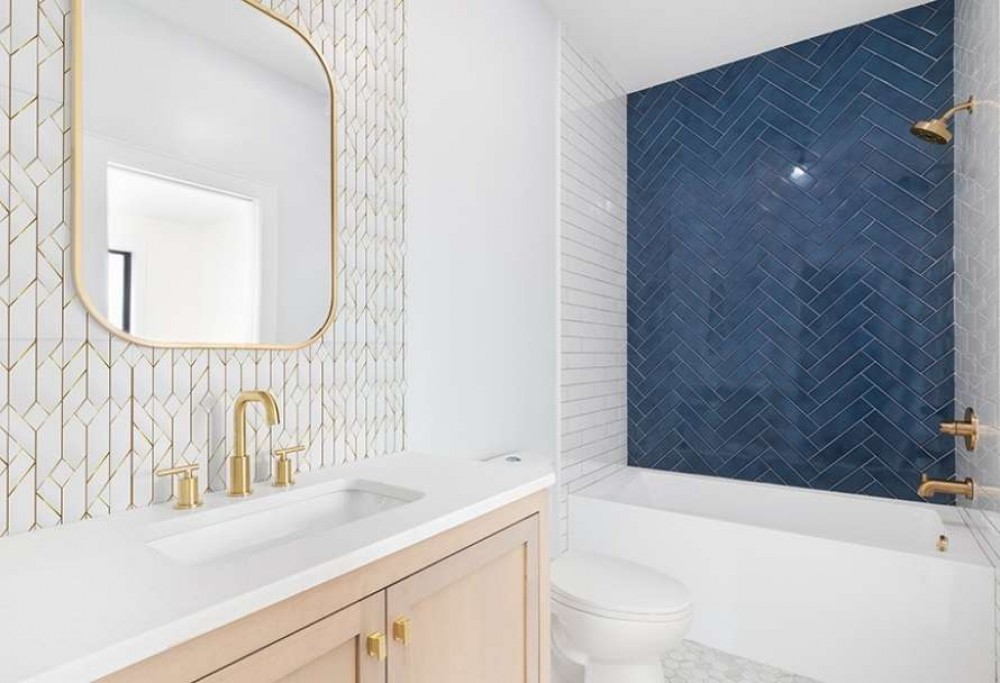
And what if the shower is your element or you’re outfitting a space with a small footprint? In a modern spa-style bathroom, the traditional shower tray gives way to zero-threshold solutions. A spacious walk-in shower with a pane of transparent, tempered glass doesn’t visually divide the room and fosters a luxurious, open atmosphere. When choosing this type of shower enclosure, invest in high-quality bathroom faucets—preferably concealed, in brushed gold, copper, or matte black finishes—paired with a wide rain shower head. A water stream that imitates a warm, tropical rain envelops the whole body and turns a daily shower into a truly sensual pleasure.
In a small bathroom, where every inch counts, you don’t have to give up on your home wellness dreams. Minimalism and multifunctional fixtures help maintain perfect order. In both cases, remember that an excess of items in plain sight disrupts the interior’s aesthetics—in smaller spaces, it’s best to display only a few carefully chosen accessories and hide the rest behind smooth cabinet fronts.
Details that awaken the senses - textiles, greenery, and aromatherapy
Once the base is ready, it’s time for the layer that gives the space a soul and makes the bathroom engage all the senses at once. It’s the details that determine whether the interior becomes just a pretty catalog image or a place of genuine rest.
Start with touch. Soft textiles are the foundation of comfort in every professional wellness studio. Invest in thick cotton or bamboo towels with a high GSM. Neatly rolled and placed on an open shelf or in a seagrass basket, plush towels and velour robes become not only a promise of pleasant coziness after stepping out of the shower but also an attractive decorative detail. Equally important are bathroom rugs – a thick cotton weave with subtle fringes adds texture to the interior, insulates from the cold floor, and, together with the rest of the textiles, instantly builds a cozy atmosphere.
The next step is bringing in life. Potted plants enliven the interior, introduce a natural rhythm, and genuinely improve the microclimate and air quality in a spa bathroom. In a warm, humid environment, tropical species such as ferns, peace lilies, zamioculcas, sansevierias, or monsteras do very well. A clever trick borrowed from top wellness centers is to hang fresh eucalyptus branches in the shower—under hot steam, they release a refreshing aroma that clears the airways.
The last, but incredibly powerful, element is scent. Aromatherapy has a direct effect on the brain’s limbic system, quickly lowering cortisol levels and improving mood. Use natural essential oils – lavender and sandalwood will soothe your nerves in the evening, while eucalyptus, mint, or lemongrass will add energy in the morning. Reed diffusers, ultrasonic humidifiers with an aromatherapy function, and soy scented candles will make your at-home beauty rituals take on a whole new dimension. To maintain visual consistency, decant colorful gels and shampoos into uniform glass or ceramic dispensers that fit perfectly with the calm character of the design.
Creating your own relaxation haven doesn’t require a complete renovation or an unlimited budget. Now that you know how to design a spa-style bathroom, you’ll see that consistency and attentiveness to your own needs matter most. If you’re planning a full makeover, you’ll surely find inspiration in our selection of fixtures. And if you’d rather start by just changing the lighting, organizing your toiletries, and lighting a favorite candle—that’s just as good a start. Each of these steps brings you closer to creating a place where time moves slower. Turn everyday routine into a mindful ritual of self-care and enjoy peace in your own bathroom every day.